Bridge Loans vs. DSCR Loans: Which Comes First?
Some deals are not ready for long-term DSCR financing on day one. The right structure may be bridge financing first, then a DSCR refinance after stabilization.
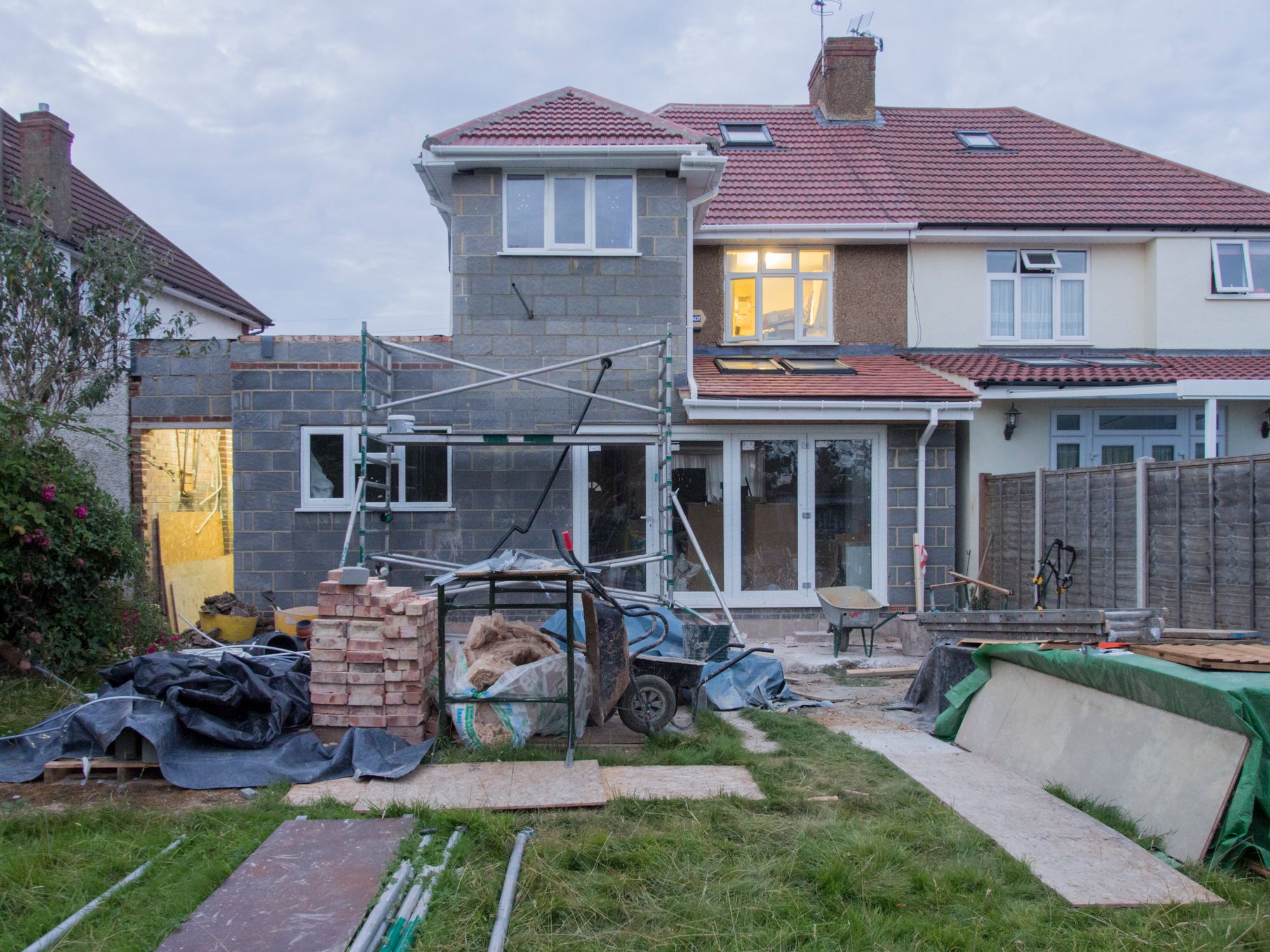
Sequence Matters
Applying for DSCR financing on a property that is not stabilized results in a decline. Bridge financing handles the transition; DSCR is the permanent exit.
Quick Answer
Bridge loans are short-term capital for properties in transition. DSCR loans are long-term capital for stabilized rentals. Most buy-and-hold investors need bridge first, then refinance into DSCR once the property is leased and performing.
Applying for the wrong product at the wrong stage is one of the most common reasons deals stall or get declined.
01
Bridge and DSCR Loans Solve Different Problems
Bridge loans and DSCR loans are both common tools for real estate investors, but they are designed for fundamentally different situations. Confusing the two — or applying for the wrong one — is one of the more common ways deals slow down or fall apart during the financing process.
Bridge Loan
Short-term, transitional financing
Used to acquire, renovate, or stabilize a property that is not yet ready for permanent or long-term financing. Typically 12-24 months. Interest-only payments common. Exit is usually a sale or refinance.
DSCR Loan
Long-term, income-based financing
Used for stabilized rental properties where the rental income supports the debt service. 30-year terms available. Qualification is based on property cash flow, not personal income. Requires property to be rent-ready and occupied or leasable.
The distinction matters because applying for a DSCR loan on a property that is not stabilized, not occupied, or not in rent-ready condition will result in a decline — not because the deal is bad, but because the product does not fit the deal stage.
02
DSCR Is Often the Exit, Not the Entry
For many buy-and-hold investors, DSCR financing is the goal — the long-term, lower-rate, 30-year product they want to hold the property in once it is performing. But the path to DSCR often runs through a bridge loan first.
A bridge loan handles the acquisition and any renovation period. Once the property is stabilized — meaning it is repaired, occupied, and generating predictable rental income — the investor can refinance into a DSCR loan. At that point, the property and the loan product are aligned.
Planning the DSCR refinance before the bridge loan closes is not just smart — it is often necessary. The bridge loan exit depends on the property qualifying for DSCR financing, which means the projected stabilized value, rental income, and borrower profile all need to work before the bridge is funded.
03
When Bridge Financing May Come First
Bridge financing is typically the right starting point when any of the following are true:
- The property needs significant renovation before it can be rented or appraised at full value
- The property is vacant and has no income history to support DSCR qualification
- The deal needs to close quickly and a long-term lender underwriting timeline is not feasible
- The property condition does not meet the minimum standards required by DSCR lenders (typically conventional or FHA-style habitability requirements)
- The borrower needs flexibility in terms or draw structure that a long-term lender cannot provide
- The investor plans to force appreciation through renovation before locking in a permanent loan
When speed is the priority, bridge loans can close significantly faster than conventional or DSCR products — often in 7-14 days for straightforward acquisitions.
In these situations, trying to go directly to DSCR is premature. The property is not yet the asset that a DSCR lender wants to finance.

04
When DSCR Financing May Work Immediately
DSCR financing can work as the entry point when the property already meets the product requirements:
- The property is in good condition and requires no significant repairs before occupancy
- The property has an existing tenant or can be quickly leased at market rent
- The rental income is sufficient to cover the projected debt service at the anticipated rate and loan amount
- The borrower has sufficient credit score and liquidity to meet DSCR lender requirements
- The deal timeline allows for a standard underwriting and closing process (typically 3-6 weeks minimum)
Move-in-ready single-family rentals, properties with existing long-term tenants, and turnkey acquisitions are often strong candidates for direct DSCR financing without a bridge phase. Review DSCR loan requirements to confirm the property and borrower profile qualify.
05
Stabilization: What Lenders Mean by It
"Stabilization" is the point where a property is ready for long-term financing. DSCR lenders use this concept, even if they do not always use the exact word. What they are evaluating is whether the property, in its current state, can support the loan they are being asked to provide.
Key stabilization factors DSCR lenders typically consider:
Property Condition
Must meet lender minimum standards. Significant deferred maintenance, safety issues, or incomplete renovations are typically disqualifying.
Occupancy
Many DSCR lenders prefer or require occupancy at closing. Some programs allow single-family or small multifamily vacant with market rent support.
Rental Income
The gross rental income must support a minimum DSCR ratio — typically 1.0 to 1.25 times the debt service, depending on the lender and program.
Lease Terms
Active leases with remaining term are preferred. Month-to-month tenancies may be acceptable but could affect qualifying income calculation.
Appraised Value
The stabilized appraised value — not the purchase price or current condition value — drives the LTV calculation and loan amount.
Seasoning
Some DSCR lenders have title seasoning requirements, meaning the current owner must have held title for a minimum period before refinancing.
06
Why Planning the Refinance Exit Early Matters
When a bridge loan is the entry, the DSCR refinance is the intended exit. But that exit is not guaranteed — it depends on the property performing as projected and the borrower qualifying when the bridge matures.
Investors who plan the DSCR exit before the bridge closes are in a much stronger position. They know what the stabilized value needs to be, what rent the property needs to generate, and what their credit and liquidity position needs to look like at the time of refinance. For a detailed breakdown of each phase, see the bridge-to-DSCR timeline.
Questions to answer before closing the bridge loan:
- What DSCR lender or program is most likely to work for this property type and market?
- What is the minimum appraised value needed to refinance at the target LTV?
- What rent does the property need to produce to cover DSCR at the expected rate?
- Are there any title seasoning requirements that affect the refinance timeline?
- What is the borrower's credit score and liquidity likely to look like in 12 months?
- What is the backup plan if the DSCR refinance is not available at bridge maturity?
Strategic Note
The strongest bridge loan applications include a clear DSCR exit plan. When the capital advisor can see that the stabilized numbers work for a permanent takeout, the bridge request becomes easier to place and often receives better terms.
07
How Investors Should Think About the Full Capital Path
The most sophisticated investors think about financing in two stages even before they make an offer: the acquisition and renovation capital, and the long-term hold capital. These are different products serving different phases of the same strategy.
The buy-and-hold investor's capital path typically looks like this:
Acquisition via Bridge Loan
Short-term financing to acquire and stabilize. Terms of 12-24 months, interest-only, with the flexibility to handle renovation draws if needed.
Renovation and Stabilization
Property improvements completed, unit leased at market rent, lease in place and income documented.
DSCR Refinance
Once stabilized, refinance into a 30-year DSCR loan using the new appraised value and rental income. Bridge loan is paid off. Long-term hold begins.
Understanding this path — and sharing it with your capital advisor before the first loan closes — leads to better decisions at every step and fewer surprises at the refinance stage. Review bridge loan requirements to understand what lenders evaluate before funding the acquisition stage.
Decision Framework
Which comes first for your deal?
Is the property vacant, under renovation, or not yet producing income?
Start with bridge financing. Stabilize the asset first, then refinance into DSCR once the property is leased and performing.
Is the property already leased, in good condition, and producing rent that covers debt service?
DSCR financing may work immediately. No bridge phase needed if the property meets lender minimum standards.
Does the deal require a fast close (under 2 weeks) that DSCR lenders cannot meet?
Use bridge capital for the acquisition, then refinance into a DSCR loan after closing when timeline allows.
Not Sure Whether Your Deal Needs Bridge or DSCR Financing?
Submit the deal details and we'll review the property, timeline, exit strategy, and which financing path makes the most sense.
Related Insights
Continue exploring practical capital strategy, lender expectations, and funding structure insights.
When Your Deal Has a Funding Gap: What Investors Should Understand First
Before chasing more money, understand whether the issue is senior debt, borrower liquidity, timing, collateral, or deal structure.
Why 100% Financing Requests Need Better Structure
High-leverage requests are not always impossible, but they need to be framed correctly for lender review.
What Documents Lenders Usually Need Before Reviewing a Deal
A simple guide to purchase contracts, scope of work, rehab budgets, entity documents, bank statements, and rent rolls.
Ready to Plan the Full Capital Path?
We help investors think through both stages of the deal — acquisition financing and the long-term exit — before the first loan closes.
Submit a Real Estate Funding Request